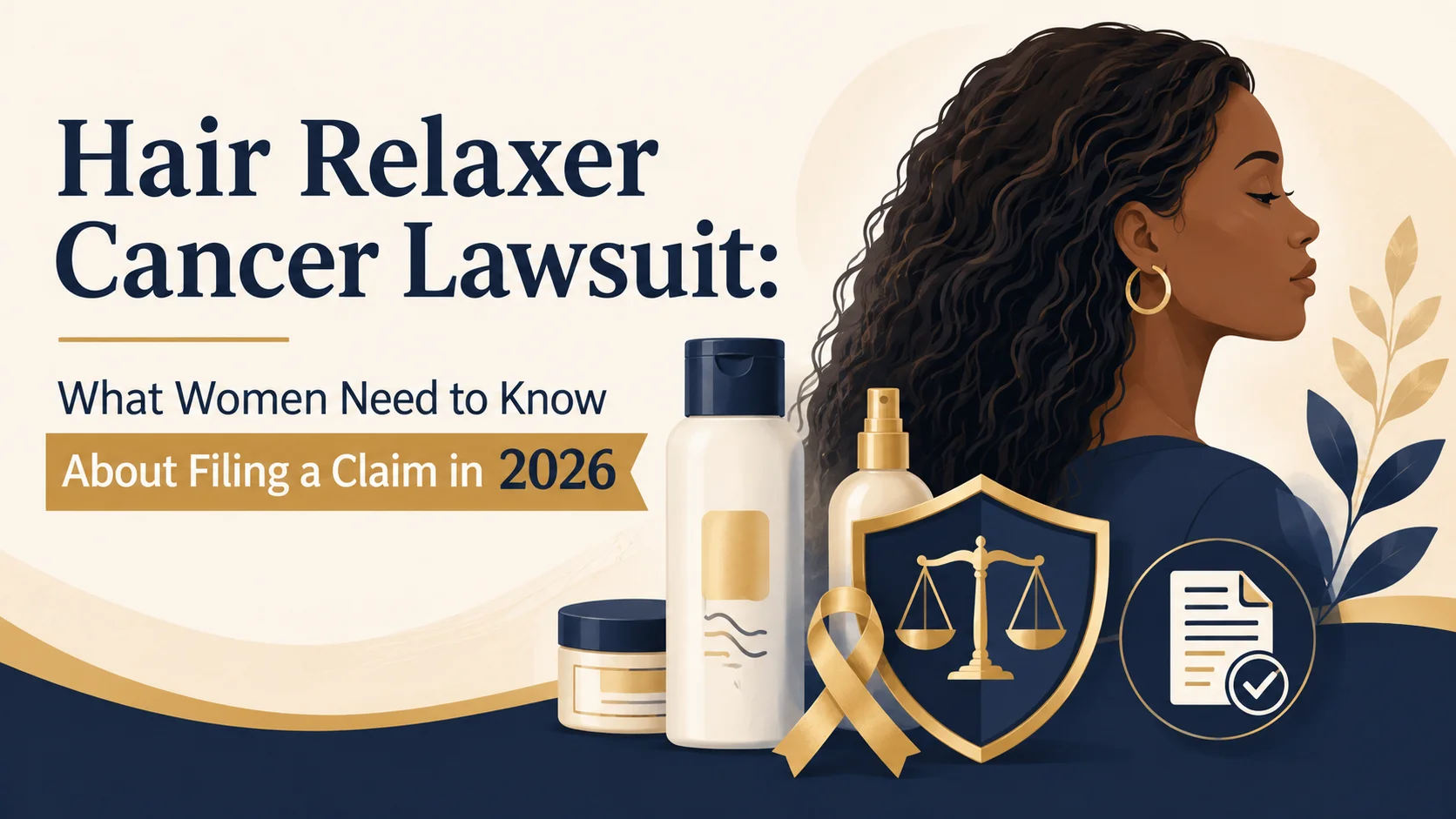
Hair Relaxer Cancer Lawsuit: What Women Need to Know About Filing a Claim in 2026
Editorial Note on Credibility and Medical-Legal Information: This comprehensive legal education guide is authored by our specialized mass-tort editorial team, drawing upon publicly available federal court dockets, published epidemiological research from the National Institutes of Health, and current structural updates regarding multidistrict litigation (MDL 3060). Our mission is to provide clear, actionable, and compassionate information to empower consumers in understanding their potential legal rights. This article is for educational purposes and does not constitute legal or medical advice.
For generations, chemical hair straighteners and relaxers have been a staple in the beauty routines of millions of women. In many communities—particularly within the Black community—these products have represented far more than just a styling choice. They have been deeply intertwined with cultural expectations, professional grooming standards, and societal beauty norms that historically marginalized natural hair textures. For decades, women purchased and used these products with the fundamental trust that they were safe for regular, long-term use.
However, recent scientific research has cast a concerning shadow over these ubiquitous beauty products. Over the last several years, significant epidemiological studies have found a potential association between the frequent, long-term use of chemical hair relaxers and an increased risk of developing serious, hormone-related health conditions, most notably uterine cancer, endometrial cancer, and ovarian cancer.
As the medical community continues to explore these potential links, the legal landscape has also shifted dramatically. Thousands of women across the United States have come forward to file claims against the manufacturers of these cosmetics, alleging that the companies knew or should have known about the potential hazards of their chemical formulations and failed to adequately warn the public. As we move through 2026, the hair relaxer lawsuit has evolved into one of the most significant and deeply personal mass tort litigations in the country.
The emotional and physical toll of a cancer diagnosis is devastating under any circumstances. When that diagnosis is potentially linked to a product marketed as safe—and heavily marketed toward women of color—the sense of betrayal is profound. This article is designed to provide you with a comprehensive, respectful, and factual overview of the current state of the litigation. We will explore what the lawsuits allege, who may meet chemical relaxer lawsuit eligibility criteria, how the legal process is structured, and what steps you can take if you or a loved one has been affected.
What the Hair Relaxer Lawsuits Generally Allege
At the heart of the current litigation is a complex intersection of product liability law, corporate responsibility, and public health science. The lawsuits filed against various cosmetic manufacturers do not simply claim that the products caused harm; they fundamentally allege that the companies breached their duty to consumers through a combination of negligent formulation, failure to warn, and deceptive marketing practices.
The Scientific Background and Endocrine Disruption
To understand the legal allegations, it is helpful to look at the scientific research that catalyzed this litigation. In October 2022, the National Institutes of Health (NIH) and the National Institute of Environmental Health Sciences (NIEHS) published findings from the “Sister Study,” a major epidemiological project involving over 33,000 women over the course of a decade.
The researchers found a potential association indicating that women who reported frequent use of chemical hair straightening products (defined as more than four times in the previous year) were more than twice as likely to develop uterine cancer compared to those who did not use the products. It is crucial to note that while uterine cancer is a relatively rare disease, the doubling of the risk rate alarmed the medical community. Furthermore, the study noted that because Black women use hair relaxing products more frequently and tend to initiate use at younger ages than other populations, these findings are particularly relevant to their health outcomes.
The lawsuits allege that many hair relaxer products contain synthetic chemicals known as endocrine-disrupting chemicals (EDCs). EDCs are substances that can interfere with the body’s natural endocrine (hormone) system. They can mimic, block, or alter the natural production and regulation of hormones like estrogen. Because conditions like uterine, endometrial, and ovarian cancer are highly sensitive to hormonal fluctuations, the introduction of synthetic EDCs through the scalp is a central focus of the claims. The scalp is highly vascularized, meaning chemicals applied there can be readily absorbed into the bloodstream, especially when the skin is irritated or burned—a common side effect of chemical relaxers.
Core Legal Arguments
Based on this evolving scientific understanding, plaintiffs in the hair relaxer lawsuit are generally advancing several key legal arguments:
1. Failure to Warn: The most prominent allegation is that manufacturers failed to provide adequate warnings on their product labels regarding the potential long-term health risks. Plaintiffs argue that had they been explicitly warned that frequent use of these chemicals carried a potential association with hormone-sensitive cancers, they would have chosen alternative hair care methods.
2. Defective and Dangerous Formulation: Lawsuits allege that the products were inherently dangerous as designed. The claims suggest that the cosmetic companies utilized harsh chemicals—including phthalates, parabens, and in some historical cases, formaldehyde-releasing agents—when safer alternative formulations could have been developed and utilized.
3. Deceptive Marketing and Targeting: A deeply painful aspect of this litigation involves how these products were marketed. Plaintiffs allege that manufacturers intentionally and aggressively targeted Black women and young girls, promoting the products as safe, gentle, and necessary for achieving social and professional acceptance. The lawsuits contend that companies prioritized profits over consumer safety, exploiting societal pressures while allegedly turning a blind eye to the toxicological profiles of their ingredients.
It is important to remember that these are allegations, and the defendant companies have broadly denied wrongdoing, arguing that their products are safe, heavily regulated, and do not cause the cancers in question.
Who May Be Eligible to Explore a Hair Relaxer Cancer Claim
Understanding chemical relaxer lawsuit eligibility is one of the most common concerns for women reading about this litigation. Because mass torts involve thousands of individual plaintiffs, the courts and legal representatives look for specific criteria to determine if a case fits within the framework of the ongoing litigation.
Eligibility is generally determined by evaluating a combination of product usage history, medical diagnosis, and the timeline of those events. While only a licensed attorney can provide a definitive evaluation of your specific circumstances, the following factors are typically considered when assessing a potential claim in 2026.
1. A History of Significant Exposure
The science currently pointing to a potential link emphasizes chronic, cumulative exposure. Therefore, eligibility generally requires a history of regular, long-term use of chemical hair relaxers or straighteners.
- Frequency of Use: Many attorneys look for usage patterns that align with the “frequent user” definition in the NIH study—typically application every few months (e.g., four or more times a year).
- Duration of Use: Extended use over a period of years (often five to ten years or more) is generally required to demonstrate sufficient cumulative exposure to the chemicals in question. This often includes use that began in childhood or adolescence, which is sadly common, as many consumers were introduced to “kiddie perms” at very young ages.
2. A Qualifying Medical Diagnosis
Not all adverse health events are currently included in the main litigation. The courts are primarily focusing on specific hormone-responsive conditions where the epidemiological evidence is currently the strongest. To explore a hair relaxer cancer claim, an individual generally must have a documented diagnosis of one of the following:
- Uterine Cancer: This is the primary condition driving the litigation, supported by the findings of the NIH Sister Study.
- Endometrial Cancer: A specific type of cancer that begins in the lining of the uterus (the endometrium). This is the most common type of uterine cancer and is highly sensitive to estrogen levels.
- Ovarian Cancer: Research has also found a potential association between endocrine-disrupting chemicals and cancer of the ovaries, leading this diagnosis to be included in many claims.
- Severe Uterine Fibroids (in specific circumstances): While uterine fibroids are non-cancerous growths, they can be incredibly painful and debilitating. Some claims involving fibroids are being investigated, but typically only if the condition was severe enough to require significant surgical intervention, such as a hysterectomy or myomectomy.
3. The Absence of Certain Confounding Factors
Because cancer is a complex disease with many potential causes, legal teams must build a strong case for causation—that the hair relaxer was a substantial contributing factor to the illness. Attorneys may review your medical history for other risk factors (such as a strong genetic predisposition like the BRCA gene mutation, or prior pelvic radiation) that defense attorneys might argue were the true cause of the illness. Having other risk factors does not automatically disqualify you, but it is a critical part of the individual case evaluation.
If you meet these general criteria, it is highly advisable to seek a consultation with a mass tort attorney to discuss the nuances of your specific history.
Understanding the Multidistrict Litigation (MDL 3060)
When thousands of people are harmed in a similar way by the same types of products, the federal court system utilizes a mechanism called Multidistrict Litigation (MDL) to manage the overwhelming volume of lawsuits. The hair relaxer lawsuit is currently organized under MDL No. 3060.
For women considering filing a claim, the term “MDL” can sound intimidating, but it is actually designed to make the legal process more efficient and consistent. Here is a simple breakdown of how MDL 3060 works in 2026.
MDL vs. Class Action
First, it is vital to distinguish an MDL from a class action lawsuit. In a class action, all plaintiffs are grouped into a single lawsuit, and if they win or settle, the compensation is divided equally among everyone, regardless of individual suffering.
An MDL is different. In an MDL, individual lawsuits remain separate and distinct. Your case is your own. However, to save time and resources, all the cases filed in federal courts across the country are temporarily transferred to one specific judge—in this case, Judge Mary M. Rowland in the U.S. District Court for the Northern District of Illinois.
The Pretrial and Discovery Process
Judge Rowland oversees the complex “pretrial” procedures. Instead of thousands of different judges ordering the defendant companies to produce the same millions of pages of internal emails, safety testing reports, and marketing documents, Judge Rowland orders it once. This process, known as “discovery,” allows the plaintiffs’ steering committee (a group of lead attorneys representing all the women) to uncover the facts efficiently.
Bellwether Trials
As the MDL matures, the court will select a small handful of representative cases to go to trial first. These are known as “bellwether trials.” Think of them as test cases. The outcomes of these trials—whether juries side with the injured women or the cosmetic companies, and the amount of damages awarded—provide crucial information.
While the verdict in a bellwether trial only legally applies to that specific plaintiff, it signals to both sides how future juries might react to the evidence. Often, the results of bellwether trials act as a catalyst for global settlement negotiations. If a global settlement is eventually reached, compensation is usually distributed based on a tiered system that accounts for the severity of each individual woman’s injuries, rather than a flat payout.
Documentation Needed to Support Your Claim
Filing a hair relaxer cancer claim requires more than just submitting a complaint; it requires evidence. Gathering this documentation can seem daunting, especially if you are currently undergoing medical treatment or dealing with the aftermath of a severe illness. However, you do not have to do this alone. When you hire an attorney, their support staff will assist you in retrieving many of these records.
To build a strong foundation for your case, the following types of documentation are typically necessary:
1. Proof of Product Use
You must be able to demonstrate that you used the defendants’ chemical relaxer products. Because use often spans decades, courts understand that you likely do not have receipts from twenty years ago. Acceptable evidence can include:
- Photographs: Pictures over the years showing your hair chemically straightened.
- Salon Records: If you had your hair relaxed professionally, appointment histories or statements from your cosmetologist can be powerful evidence.
- Purchase Receipts: Any available receipts, bank statements, or loyalty card histories from beauty supply stores or pharmacies.
- Personal Testimony: Sworn affidavits from you, family members, or friends who can attest to your routine, the specific brands you used, and the frequency of application.
2. Comprehensive Medical Records
Medical documentation is the cornerstone of any injury claim. Your legal team will need to obtain records that prove your qualifying diagnosis and outline the physical toll the disease has taken. This includes:
- Diagnostic Reports: Pathology reports confirming the presence and type of cancer (e.g., uterine, endometrial, ovarian).
- Treatment Records: Surgical reports (such as hysterectomies), chemotherapy and radiation logs, and pharmacy records.
- General Medical History: Records showing your health status prior to the diagnosis, which helps establish that the cancer was not pre-existing and helps address potential confounding factors.
3. Documentation of Financial Impact
To pursue compensation, you must document how the illness has affected you financially. This is known as calculating your “special damages” and requires:
- Medical Bills: Invoices from hospitals, specialists, imaging centers, and pharmacies, including records of what your insurance paid and what you paid out-of-pocket.
- Proof of Lost Wages: Pay stubs, tax returns, and letters from employers documenting time missed from work due to illness, treatment, or recovery.
Taking the time to organize whatever documents you currently have in your possession is a great first step before consulting with legal counsel.
Timelines and Statute of Limitations Considerations
If you believe you meet the chemical relaxer lawsuit eligibility criteria, time is an absolute critical factor. The legal system imposes strict deadlines on how long you have to file a civil lawsuit after suffering an injury. These deadlines are known as the statute of limitations.
State-by-State Variations
There is no single, nationwide deadline for filing a hair relaxer lawsuit. The statute of limitations is governed by state law, and it varies significantly depending on where you live. In some states, you may have only one year from the date of your injury to file a claim, while in others, you may have two, three, or even up to six years.
The “Discovery Rule”
A complicating factor in toxic tort cases is determining exactly when the “clock” starts ticking. You may have been diagnosed with uterine cancer in 2018, but the NIH study linking the cancer to hair relaxers wasn’t published until late 2022.
To address this unfairness, most states employ a legal doctrine called the “discovery rule.” Under this rule, the statute of limitations clock does not begin to run on the date you were physically injured (or diagnosed), but rather on the date you discovered, or reasonably should have discovered, that your injury was caused by the defendant’s product.
For many women, attorneys argue that the clock did not start until the widespread publicization of the NIH Sister Study in late 2022. However, the application of the discovery rule is highly complex and heavily contested by defense lawyers. Furthermore, some states have “statutes of repose,” which place an absolute cap on how long you have to sue a manufacturer after purchasing a product, regardless of when you discovered the link.
Because these rules are intricate and the penalties for missing a deadline are severe—resulting in the permanent loss of your right to sue—it is imperative that you do not delay in seeking a legal consultation. Waiting to see how the litigation unfolds before speaking to an attorney is a risky strategy that could bar you from justice.
What Compensation May Cover in a Chemical Relaxer Lawsuit
The primary goal of civil litigation is to make the injured party “whole” again. While no amount of money can undo a cancer diagnosis, restore lost fertility, or erase the trauma of grueling medical treatments, financial compensation is the only tool the justice system has to hold negligent corporations accountable and provide support to victims.
It is important to note that it is impossible to predict specific settlement amounts or jury verdicts. Any legal advertisement promising a specific dollar figure should be viewed with extreme caution. However, if a hair relaxer cancer claim is successful, compensation generally covers several distinct categories of damages:
Economic Damages (Tangible Losses)
These are out-of-pocket expenses and financial losses directly related to your illness:
- Past and Future Medical Expenses: This covers hospital stays, surgeries (like hysterectomies), chemotherapy, radiation, prescription medications, copays, and long-term monitoring.
- Lost Wages and Earning Capacity: Compensation for the income you lost while unable to work during treatment, as well as compensation if your illness permanently reduces your ability to earn a living in the future.
Non-Economic Damages (Intangible Losses)
These damages compensate for the physical and emotional toll of the disease, which are often the most devastating aspects of a cancer diagnosis:
- Pain and Suffering: Compensation for the physical pain caused by the cancer and the subsequent medical treatments.
- Emotional Distress: Acknowledgment of the anxiety, depression, fear, and psychological trauma associated with facing a life-threatening illness.
- Loss of Consortium/Loss of Quality of Life: This relates to how the illness has negatively impacted your daily life, your ability to enjoy hobbies, and your relationships with your spouse and family. A highly specific and tragic element of this litigation is the loss of fertility for younger women who require hysterectomies, which is a profound loss recognized by the courts.
If the court finds that a manufacturer’s conduct was exceptionally reckless or intentionally deceptive, a jury may also award punitive damages. These are not meant to compensate the victim, but rather to punish the corporation and deter similar behavior in the future.
Frequently Asked Questions (FAQs)
1. Is there a class action lawsuit for hair relaxers?
While you may hear the term used casually, the federal litigation is organized as a Multidistrict Litigation (MDL 3060), not a standard class action. In an MDL, your lawsuit remains individual, and any potential compensation would be based on your specific medical injuries, rather than a flat, equal payout to everyone in a class.
2. Can I file a claim if I used hair relaxers but do not have cancer?
Currently, the major mass tort litigation requires a qualifying medical diagnosis, most commonly uterine, endometrial, or ovarian cancer. If you used the products but have not developed one of these specific, severe health conditions, you likely do not meet the chemical relaxer lawsuit eligibility criteria at this time.
3. How much does it cost to hire an attorney for this?
Reputable mass tort law firms handle these cases on a contingency fee basis. This means there are absolutely no upfront costs or hourly fees. The attorneys fund the entire investigation and litigation process. They only receive a percentage of your settlement or jury award if they successfully recover compensation for you. If you do not win your case, you do not owe the attorney any legal fees.
4. I don’t have my receipts from buying relaxers years ago. Can I still file?
Yes. Courts and attorneys understand that consumers do not keep receipts for cosmetics purchased decades ago. Your legal team can help you establish proof of use through other means, such as personal affidavits, testimony from friends and family, old photographs showing your relaxed hair, or records from salons you frequented.
5. Which specific brands of hair relaxers are involved in the lawsuits?
The litigation involves multiple cosmetic manufacturers and a wide array of product lines. Lawsuits have named major conglomerates and various subsidiaries responsible for popular brands historically marketed in drugstores and beauty supply shops. Because the focus is on the chemical formulations (like EDCs and lye/no-lye compounds) common across the industry, many mainstream chemical straightening products are implicated.
6. I was diagnosed with uterine fibroids. Do I qualify?
Claims involving uterine fibroids are complex. Because fibroids are very common, proving that hair relaxers were the primary cause is scientifically and legally challenging. However, some firms are evaluating fibroid claims if the condition was extraordinarily severe, resulting in the need for major surgical intervention such as a complete hysterectomy. You should consult an attorney to review the specifics of your medical history.
Disclaimer: The information provided in this article is intended for general educational purposes only and does not constitute legal or medical advice. The legal landscape regarding mass torts is constantly evolving. Statutes of limitations vary by state and individual circumstance. We strongly recommend that you consult with a licensed, qualified attorney in your jurisdiction for an assessment of your specific legal rights. Furthermore, if you have health concerns or are experiencing medical symptoms, please consult a licensed healthcare professional immediately.