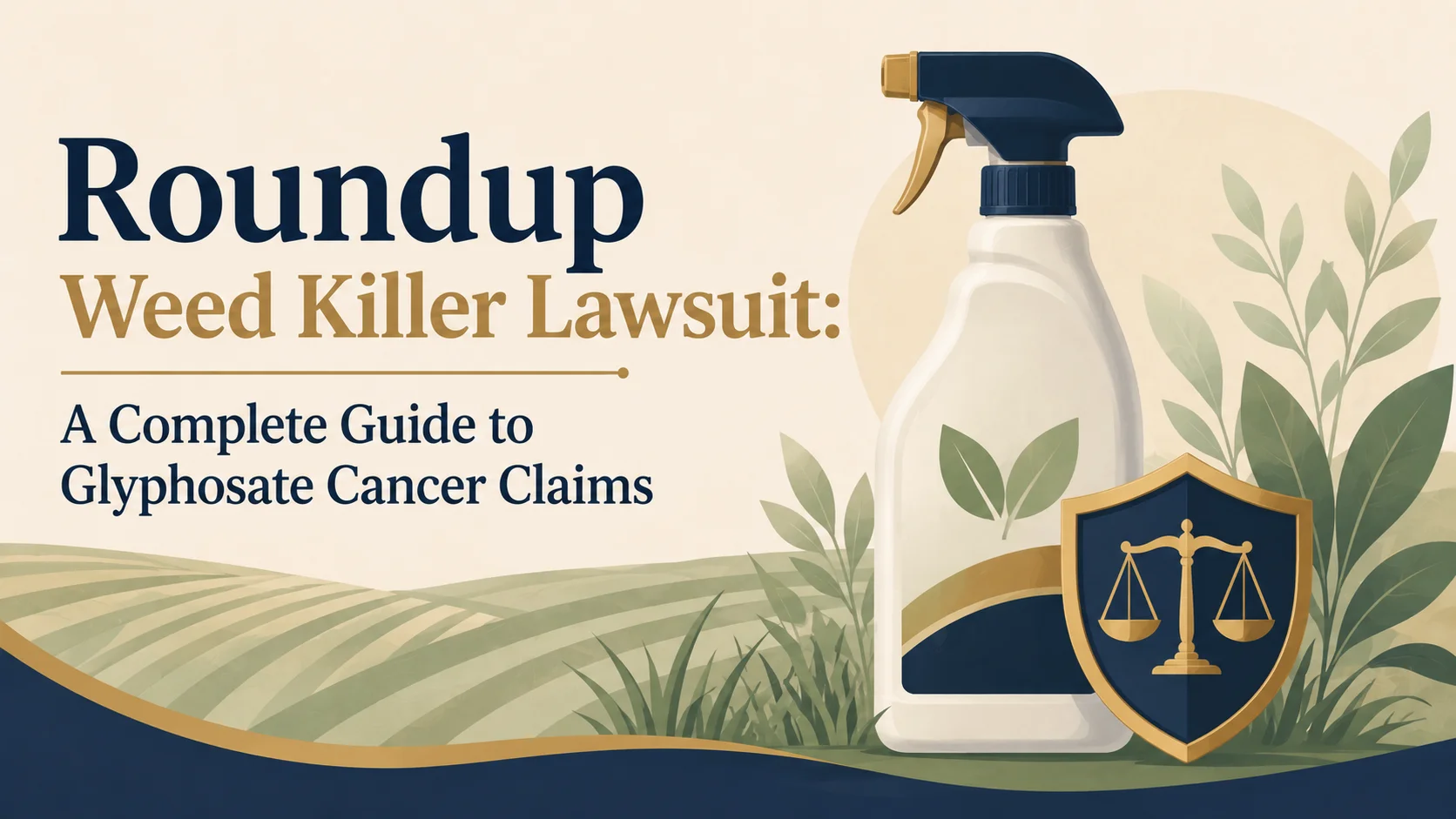
Roundup Weed Killer Lawsuit: A Complete Guide to Glyphosate Cancer Claims
This guide was authored by a team of legal researchers and mass-tort content specialists dedicated to translating complex product liability litigation into accessible, practical information. Drawing on current federal multidistrict litigation dockets, public health classifications from international health organizations, and established legal procedures, our goal is to provide reliable, objective context. We prioritize factual accuracy over sensationalism, ensuring that agricultural workers, landscapers, and everyday consumers have the educational foundation necessary to navigate their potential legal options with clarity and confidence.
Introduction
For decades, chemical herbicides have been a staple of modern agriculture and residential landscaping. Chief among these products are those containing glyphosate, an active ingredient celebrated for its broad-spectrum ability to eradicate weeds and invasive grasses. Originally introduced to the commercial market in the 1970s, this chemical quickly became the backbone of weed management for massive industrial farms, municipal parks departments, and suburban homeowners alike. Its mechanism of action—disrupting a specific enzyme pathway essential for plant growth—made it highly effective. However, the widespread and heavy reliance on this particular chemical has recently become the focal point of intense scientific and legal scrutiny.
The transition from a universally accepted agricultural tool to the center of a massive nationwide Roundup lawsuit stems from evolving scientific perspectives on human health risks. In 2015, the International Agency for Research on Cancer (IARC), a specialized intergovernmental agency of the World Health Organization, reviewed the available independent scientific literature regarding glyphosate. Following their comprehensive review, the IARC classified the chemical as a “probable human carcinogen.” This classification sent shockwaves through the agricultural community and the legal world. It highlighted a sharp divergence in regulatory opinions, as agencies like the United States Environmental Protection Agency (EPA) have maintained that the chemical does not pose a definitive cancer risk to humans when used exactly according to the manufacturer’s label instructions.
Despite the differing stances among regulatory bodies, the IARC’s classification provided a crucial foundation for civil litigation. The core of the legal argument brought forth by thousands of plaintiffs does not merely rest on the assertion that the chemical is inherently dangerous. Rather, the litigation is built upon the legal doctrine of “failure to warn.” Plaintiffs and their legal teams argue that the manufacturers were aware, or should have been aware, of the independent scientific studies suggesting a link between the herbicide and cellular mutations leading to cancer. By allegedly prioritizing market dominance over consumer safety, the manufacturers are accused of failing to place adequate warning labels on their products. If a product carries a potential risk of severe illness, the law generally requires the manufacturer to disclose that risk so that consumers can make informed decisions about whether to use the product and what protective gear to wear. Because these warnings were absent, thousands of people who handled the herbicide for years or even decades are now seeking accountability through the civil justice system.
Who Has Historically Faced Higher Exposure Risk
While traces of herbicides can be found in various environments, the litigation focuses on individuals who experienced direct, prolonged, or highly concentrated exposure to the chemical. The risk profile is generally categorized by the frequency of use, the volume of the product handled, and the specific application methods utilized over a person’s lifetime.
Agricultural Workers The highest potential for significant exposure historically rests with agricultural workers, farmhands, and commercial growers. In modern farming, weed management is a massive undertaking. Agricultural workers are often tasked with mixing concentrated chemical formulas into large vats before transferring them to industrial sprayers or tractor-mounted dispersal systems. The act of mixing the concentrated raw product presents a high risk for dermal (skin) contact and inhalation of vapors or dust. Furthermore, individuals working in fields where the chemical has recently been applied may experience secondary exposure as the chemical settles on crops and soil. For many farmworkers, applying herbicides is not a weekend chore but a daily occupational requirement spanning seasons and decades. Because the product was historically marketed as safe enough to use with minimal personal protective equipment (PPE), many workers spent years applying the chemical without heavy-duty respirators, chemical-resistant gloves, or impermeable coveralls, thereby maximizing their potential physical exposure.
Landscapers and Groundskeepers Another heavily exposed demographic includes professional landscapers, municipal groundskeepers, and golf course maintenance staff. Unlike agricultural workers who might apply chemicals to vast open fields, landscapers often work in highly varied, sometimes confined outdoor environments. They apply the chemical along fence lines, around delicate ornamental plants, and heavily trafficked municipal parks. This demographic frequently utilizes handheld or backpack sprayers. The proximity of the sprayer nozzle to the operator’s body, combined with the physical exertion of walking and pumping the equipment, increases the likelihood of accidental spills, continuous inhalation of aerosolized mist, and dermal absorption through clothing saturated by minor leaks. Wind drift is a constant hazard for groundskeepers; a sudden gust can blow the aerosolized chemical directly into the operator’s face. Like agricultural workers, many professionals in the landscaping industry utilized these products extensively before the IARC classification, operating under the assumption that standard work clothes provided sufficient protection against any potential harm.
Home Gardeners and Residential Users While industrial and commercial users handle larger volumes, the home gardener represents a massive segment of the exposed population. Residential users often relied on ready-to-use spray bottles or small pump sprayers to maintain pristine driveways, patios, and flowerbeds. The danger for home gardeners often lies in the casual nature of the application. Without the rigorous safety protocols or hazard communication training sometimes found in commercial settings, a homeowner might apply the herbicide while wearing shorts and sandals. This casual use, repeated every spring and summer for twenty or thirty years, creates a significant cumulative exposure history. Furthermore, residential users often store the chemicals in their garages or sheds, potentially leading to chronic, low-level inhalation exposure if the containers are not perfectly sealed. The litigation has shown that it is not solely the massive industrial farming operations that present a risk; consistent, long-term residential use has also been heavily scrutinized as a potential vector for sufficient exposure to trigger health concerns.
The Health Condition Most Commonly Linked in This Litigation
In the realm of mass torts, litigation is generally tethered to a specific, identifiable injury or illness. In the context of these specific herbicide claims, the health condition most prominently and consistently linked to the chemical exposure is non-Hodgkin lymphoma (NHL). It is vital to approach this topic with nuance. The link between the chemical and NHL is an association that has been intensely studied and debated within the context of litigation and public health research; it is not a universally guaranteed outcome of exposure, nor is every case of NHL caused by chemical exposure.
Understanding Non-Hodgkin Lymphoma Non-Hodgkin lymphoma is not a single disease, but rather a diverse group of blood cancers that originate in the lymphatic system. The lymphatic system is a crucial part of the body’s immune system, comprising a network of vessels, nodes, and organs that transport lymph fluid and white blood cells (lymphocytes) throughout the body to fight infections. NHL occurs when the body produces abnormal lymphocytes that divide and multiply uncontrollably. Instead of dying off as normal cells do, these mutated cells continue to grow, accumulating in the lymph nodes and causing them to swell.
There are many different subtypes of non-Hodgkin lymphoma, generally categorized by whether they affect B-cells or T-cells, and how rapidly the disease progresses (indolent or aggressive). The litigation has frequently involved various specific subtypes, including diffuse large B-cell lymphoma, follicular lymphoma, and mantle cell lymphoma, among others. Symptoms can be insidious and easily mistaken for minor ailments, often including painless swelling of the lymph nodes in the neck, armpits, or groin, persistent fatigue, fever, night sweats, and unexplained weight loss.
The Cautious Association The crux of the scientific debate within the courtrooms revolves around epidemiological studies and mechanistic evidence. Epidemiological studies look at large populations to see if those exposed to a substance develop a disease at a higher rate than those who were not exposed. Mechanistic evidence looks at how a chemical might alter cellular structures or DNA in a laboratory setting to trigger cancer. Some independent studies have suggested a statistically significant correlation between heavy, long-term exposure to the herbicide and an increased risk of developing NHL. The working theory advanced by plaintiffs’ experts is that the chemical induces oxidative stress and genotoxicity—meaning it damages the DNA within the cells—which can eventually lead to the uncontrolled cellular replication characteristic of lymphoma.
However, the medical and legal communities recognize that cancer is a multifactorial disease. Genetics, age, previous medical history, and exposure to other environmental toxins can all play a role in the development of NHL. Therefore, establishing a direct causal link in a court of law requires demonstrating that the specific exposure to the herbicide was a substantial contributing factor in the development of the plaintiff’s disease. The association is treated as a matter of probabilistic risk rather than absolute certainty. The litigation relies heavily on expert testimony from oncologists, toxicologists, and epidemiologists to bridge the gap between statistical probability and individual pathology.
How These Claims Are Generally Evaluated
For an individual considering entering the legal process, understanding how law firms and courts evaluate these claims is paramount. A successful product liability claim requires far more than merely stating that one used the product and subsequently became ill. The evaluation process is rigorous, requiring substantial documentation and a clear, reconstructable history. Evaluators generally look at three primary pillars: exposure history, medical diagnosis, and supporting documentation.
Exposure History The foundation of the evaluation is establishing a credible, significant history of exposure. Attorneys and medical experts will seek to quantify how much of the chemical the individual was exposed to, how often, and over what duration. A brief, one-time use of a consumer-grade spray bottle is highly unlikely to meet the threshold for a viable glyphosate cancer claim. Instead, evaluators look for chronic, repeated exposure. They will ask detailed questions: Did you mix the concentrated chemical yourself? What was the exact brand name and formulation of the product? How many hours per week did you spend spraying? How many weeks out of the year? Did you wear personal protective equipment? Did you frequently experience spills on your skin or clothing? By creating a comprehensive exposure timeline, legal and medical professionals attempt to calculate a “dose-response” estimate to see if the exposure level aligns with the risk parameters identified in epidemiological studies.
Diagnosis and CausationThe second pillar is a definitive, documented medical diagnosis. The plaintiff must have a formal diagnosis of non-Hodgkin lymphoma or one of its recognized subtypes from a licensed medical professional. Self-diagnosis or an unconfirmed suspicion of illness is insufficient. Furthermore, the timing of the diagnosis is critical. Cancer has a latency period; it does not develop overnight following exposure. Evaluators will look at the timeline between the initial exposure, the duration of use, and the date of diagnosis to ensure it aligns with accepted medical understanding of cancer development. The medical records will also be scrutinized to rule out, or account for, other potential confounding risk factors, such as a strong family history of the disease, previous radiation therapy, or an immunocompromised status, which defense attorneys might argue were the true cause of the illness.
Documentation Human memory is fallible, especially when recalling mundane tasks performed decades ago. Therefore, documentary evidence is the lifeblood of a product liability claim. Evaluators require tangible proof of both exposure and injury. For agricultural workers or landscapers, this might include employment records, standard operating procedure manuals from their employer, purchase orders for bulk chemicals, or pesticide application logs required by state agricultural departments. For home gardeners, proving exposure can be more challenging, but hardware store receipts, credit card statements showing recurring purchases, or even dated photographs of the individual using the product or showing a heavily maintained, weed-free property can be persuasive. On the medical side, documentation requires comprehensive medical records, including the initial pathology report confirming the NHL diagnosis, oncology treatment plans, pharmacy records for chemotherapy drugs, and physician notes detailing the prognosis and physical toll of the disease.
The Difference Between an Individual Lawsuit and the Broader Consolidated Litigation
When thousands of people are allegedly injured by the same product, the legal system must find an efficient way to handle the sheer volume of cases. To do this, courts often utilize a procedural tool known as Multidistrict Litigation (MDL), which is a form of mass tort. It is crucial to understand how an MDL differs from a class action, and how individual cases function within this broader framework.
The Misconception of the Class Action A common public misconception is that massive product liability cases are handled as class action lawsuits. In a class action, one or a few plaintiffs act as representatives for a massive group (the “class”) of people who have suffered nearly identical harm. The case is tried as a single entity, and if a settlement or verdict is reached, the compensation is divided among the class members. Class actions are ideal for financial injuries, such as a company overcharging millions of customers by five dollars. However, personal injury cases related to chemical exposure are rarely certified as class actions. The reason is simple: every plaintiff’s injuries, exposure history, medical background, and resulting damages are entirely unique. One plaintiff might be a 40-year-old landscaper facing aggressive chemotherapy, while another might be an 80-year-old home gardener with an indolent form of the disease. Their damages cannot be neatly summarized in a single representative trial.
Multidistrict Litigation (MDL)Instead, these cases are often consolidated into an MDL. In a mass tort MDL, thousands of individual cases filed in federal courts across the country are temporarily transferred to a single federal judge. The purpose of this consolidation is purely for pretrial efficiency. Because all the plaintiffs are suing the same manufacturer based on the same core legal theory (failure to warn about the chemical’s risks), it makes sense to handle the discovery process together. Instead of having a thousand different judges oversee a thousand different requests for the manufacturer’s internal emails and safety tests, one judge oversees a single, coordinated discovery effort.
The Individual Nature of the Claim Despite being part of an MDL, each plaintiff’s case remains distinct and individual. You retain your own legal counsel, your specific medical records are evaluated on their own merits, and you must prove your specific damages. If the MDL process results in a global settlement framework, compensation is generally allocated based on a tiered system that evaluates the specific severity of each individual’s case, rather than a flat, equal payout. If a settlement is not reached, or if an individual rejects the settlement offer, their case is remanded (sent back) to their local federal court for its own individual trial before a jury. This system allows plaintiffs to pool their resources to fight a massive corporation during the evidence-gathering phase, while still maintaining their right to a customized evaluation of their unique suffering.
General Claims Process and Timeline
Entering civil litigation is a marathon, not a sprint. The timeline for a product liability claim can stretch across several years, and the specific procedures are heavily dependent on state laws, particularly the statute of limitations, which dictates the strict deadline for filing a claim after a diagnosis or discovery of the injury.
- Initial Consultation and Investigation: The process begins with an in-depth legal consultation. An attorney will review the individual’s exposure history, medical records, and potential financial damages. If the attorney believes the case is viable, they will enter a formal representation agreement. The legal team then conducts a rigorous pre-suit investigation, gathering all necessary documentation, interviewing witnesses (such as former coworkers or family members), and consulting with medical experts to formally establish the causation argument.
- Filing the Complaint and Discovery: Once the investigation is complete, the attorney files a formal complaint in either state or federal court, officially initiating the lawsuit. The manufacturer is served with the complaint and files a response, typically denying the allegations. The case then enters the discovery phase. This is often the longest and most arduous part of the process. Both sides exchange written questions (interrogatories), demand the production of documents, and take sworn depositions from the plaintiff, the treating physicians, and corporate executives. In an MDL setting, general corporate discovery is shared, but the plaintiff must still undergo specific discovery regarding their own medical and exposure history.
- Bellwether Trials and Resolution: In mass torts, the court will often schedule a series of “bellwether trials.” These are a small handful of representative cases selected to go to trial before a jury. The outcomes of these bellwether trials serve as test cases, allowing both plaintiffs and defendants to gauge how juries will react to the evidence and what level of damages they might award. The results of these trials often act as a catalyst for global settlement negotiations. If the defendant loses several bellwether trials with large jury awards, they are generally highly motivated to negotiate a comprehensive settlement to resolve the remaining thousands of cases. During settlement talks, negotiations occur to establish compensation tiers. If a fair settlement cannot be reached, individual cases will continue to be scheduled for trial in their respective jurisdictions. Throughout this entire timeline, plaintiffs must remain patient, as delays, appeals, and procedural motions are a standard part of complex litigation.
What Compensation May Cover
When individuals pursue legal action for severe health conditions allegedly caused by chemical exposure, they are seeking compensatory damages designed to make them “whole” again in the eyes of the law, to the extent that money can do so. In mass tort litigation, compensation is typically divided into two broad categories: economic and non-economic damages.
Economic Damages Economic damages are the quantifiable, out-of-pocket financial losses incurred directly because of the illness. This primarily includes past and future medical expenses. Cancer treatments are astronomically expensive, encompassing surgeries, rounds of chemotherapy, radiation therapy, prescription medications, hospital stays, and ongoing diagnostic imaging. Compensation seeks to cover these bills, as well as copayments and deductibles. Furthermore, economic damages cover lost wages and loss of future earning capacity. If a plaintiff was forced to leave their job, take extended unpaid leave, or retire prematurely due to their physical debilitation, the legal claim will seek to recover the income they would have otherwise earned over their working lifetime.
Non-Economic Damages Non-Economic damages are more subjective and compensate for the intangible human costs of the illness. This category includes pain and suffering, which addresses the physical agony of the cancer and the severe side effects of the treatments. It also covers emotional distress, compensating the plaintiff for the anxiety, depression, and fear associated with a life-threatening diagnosis. In many jurisdictions, compensation may also include a “loss of consortium” claim for the plaintiff’s spouse, acknowledging the negative impact the illness has had on the marital relationship, companionship, and household contributions. While no amount of money can reverse a cancer diagnosis, this comprehensive approach to compensation is designed to provide financial security for the victims and their families during an incredibly difficult time.
Frequently Asked Questions
1. Is the chemical glyphosate currently banned? While the chemical faces intense scrutiny, it is not subject to a blanket federal ban in the United States. The Environmental Protection Agency (EPA) continues to permit its use for agricultural and residential purposes, maintaining that it can be used safely according to label directions. However, due to public pressure and litigation, some local municipalities, school districts, and specific countries have enacted regional bans or severe restrictions on its use in public spaces.
2. How long do I have to file a claim? The timeframe is governed by a legal rule called the statute of limitations, which varies drastically depending on the state in which you live or where the exposure occurred. Generally, the clock starts ticking on the date you received your non-Hodgkin lymphoma diagnosis, or the date you reasonably should have known that your illness was connected to the chemical exposure. Because these deadlines are strict and missing them permanently bars your ability to sue, it is imperative to act quickly.
3. Do I need a lawyer to file a claim? While individuals technically have the right to represent themselves, navigating a complex product liability mass tort against a multinational corporation without legal representation is highly impractical. The evidentiary requirements, the rules of federal procedure, and the medical science involved are incredibly complex. A specialized mass tort attorney has the resources to retain necessary medical experts, handle multidistrict litigation filings, and negotiate effectively with corporate defense teams.
4. What if I used the product for decades but do not have a cancer diagnosis?Currently, the civil litigation is focused entirely on individuals who have suffered a verifiable, physical injury—specifically non-Hodgkin lymphoma or its recognized subtypes. Mere exposure to the chemical, or the fear of developing cancer in the future, is generally not sufficient to support a product liability claim for compensatory damages under current legal frameworks.
5. Are agricultural products evaluated differently than residential ones in these claims? The core legal argument of “failure to warn” applies to both commercial and residential products. However, the evaluation of the claim will differ based on the volume and frequency of exposure. Agricultural formulas are often highly concentrated and applied in massive quantities, which can make proving a high-level exposure history more straightforward than for a homeowner using a pre-diluted spray bottle infrequently.
6. Can family members file a claim on behalf of a deceased loved one? Yes. If an individual passes away from non-Hodgkin lymphoma that is suspected to be linked to chemical exposure, their surviving immediate family members or the executor of their estate may be eligible to file a wrongful death lawsuit. A dedicated Roundup lawyer can evaluate the deceased’s medical and exposure history to pursue compensation for funeral expenses, medical bills incurred prior to death, and the loss of the deceased’s emotional and financial support.
Disclaimer: The information provided in this article is intended for general educational and informational purposes only and does not constitute legal, medical, or professional advice. The legal landscape regarding product liability and mass torts is constantly evolving, and outcomes vary widely based on individual circumstances. We strongly recommend consulting directly with a licensed attorney in your jurisdiction for advice regarding any potential legal claims, and a qualified physician for any medical concerns or diagnostic questions.